
The Sound of Clash: How Clash of Clans Turns Music into a Viral Marketing Weapon

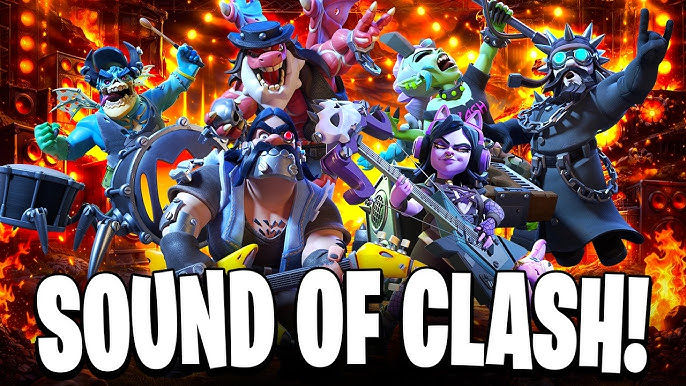
The keyword The Sound of Clash is not just a campaign title—it represents a strategic shift in how Clash of Clans integrates music, narrative, and community-driven hype into its global marketing engine. The latest production, titled “This Is the Sound of Clash!”, demonstrates how audio identity can function as a growth lever, not just a branding asset.
At a surface level, The Sound of Clash is a high-energy rock anthem designed to mimic the intensity of a live metal concert. However, the underlying mechanism is more deliberate: it transforms gameplay chaos into a sensory experience that can be distributed across social platforms. This is not typical background music—it is engineered for virality, replayability, and emotional amplification.
The campaign was produced by BUTTER Music and Sound in collaboration with Mr. Bronx. Both are long-term partners in Clash of Clans campaigns, meaning the sound design is not experimental but iteratively optimized. Their role is not just to create music, but to translate gameplay identity into a recognizable sonic signature.
From a marketing systems perspective, The Sound of Clash operates on three layers: attention capture, emotional resonance, and distribution scalability. The first layer—attention capture—is achieved through aggressive rock instrumentation. Loud, distorted guitar riffs and fast-paced drum patterns mirror the chaos of in-game battles, creating immediate cognitive alignment between sound and gameplay.
The second layer—emotional resonance—is where most campaigns fail, but this one succeeds. The music is structured to simulate a live concert environment, complete with crowd energy and rising intensity. This taps into collective excitement rather than individual gameplay experience. In effect, players are not just watching a game promotion; they are experiencing a shared event.
The third layer—distribution scalability—is the most critical. Within 24 hours of release, The Sound of Clash surpassed one million views, indicating that the content is optimized for algorithmic amplification. This is not accidental. High-tempo audio, short-form structure, and visually synchronized chaos increase retention and rewatch rates, which directly influence platform algorithms.
Historically, Supercell has treated marketing as a product extension rather than a promotional tool. Campaigns like Clash Haaland—which won a Cannes Lions Grand Prix—already established a precedent for high-production storytelling. The Sound of Clash builds on this by focusing specifically on audio as the primary driver.
The decision to use a rock and metal theme is not arbitrary. These genres are associated with intensity, rebellion, and high energy—all of which align with Clash of Clans’ gameplay loop of attack, destruction, and dominance. By embedding these attributes into the soundtrack, the campaign reinforces the game’s identity without relying on explanatory messaging.
Another important aspect of The Sound of Clash is its role in community reinforcement. Clash of Clans has a long-standing player base, and maintaining engagement requires more than gameplay updates. This type of content functions as a cultural artifact within the community. Players share, remix, and reference it, extending its lifecycle beyond the initial release.
From a behavioral standpoint, music-driven campaigns like The Sound of Clash exploit associative memory. When players hear similar sound patterns—heavy guitar riffs, rhythmic intensity—they subconsciously recall the game. This reduces the need for repeated visual branding, lowering content fatigue while maintaining recall.
The production quality also plays a direct role in perception. Clash of Clans campaigns are often described as “Hollywood-level,” and this is not just hyperbole. High production value signals legitimacy and scale, which influences both existing players and potential new users. In saturated mobile gaming markets, perception often determines acquisition efficiency.
The collaboration between BUTTER Music and Sound and Supercell since 2014 indicates a long-term optimization loop. Each campaign feeds data into the next, refining what works in terms of sound design, pacing, and emotional triggers. The Sound of Clash is therefore not a standalone success but part of an evolving system.
Another critical insight is the integration of audio with visual chaos. The music is not layered on top of the visuals; it is synchronized with them. Explosions, troop movements, and environmental destruction are timed with beats and transitions in the soundtrack. This creates a cohesive sensory experience that increases engagement duration.
From a strategic standpoint, The Sound of Clash also addresses a common problem in mobile game marketing: diminishing marginal returns on traditional ads. Static creatives and standard video ads lose effectiveness over time. By contrast, music-driven content introduces variability and novelty, which can reset engagement curves.
The campaign’s success metrics—over 1.6 million views shortly after launch—indicate strong initial traction, but the more important metric is shareability. Content that integrates music tends to be reused across platforms like TikTok and Instagram, where audio plays a central role in content discovery. This extends reach without proportional increases in spend.
It is also important to note that The Sound of Clash aligns with a broader trend in gaming marketing: the convergence of entertainment and promotion. Instead of interrupting users with ads, companies create content that users actively seek out. This shifts the model from push marketing to pull-based engagement.
In terms of brand positioning, Clash of Clans continues to differentiate itself not through gameplay innovation alone, but through cultural relevance. Campaigns like The Sound of Clash reinforce its position as more than just a mobile strategy game—it becomes part of a broader entertainment ecosystem.
The implication for competitors is clear: traditional ad formats are structurally weaker in capturing attention and sustaining engagement. Without integrating multi-sensory elements like music and narrative, campaigns risk being ignored or skipped. The Sound of Clash sets a higher baseline for what effective game marketing looks like.
In conclusion, The Sound of Clash is a case study in how audio can function as a primary growth driver in digital marketing. It combines high production quality, strategic genre selection, and algorithm-friendly design to create a campaign that is both engaging and scalable. The result is not just a viral video, but a reinforcement of Clash of Clans’ long-term market position through cultural and sensory branding.


Excellent marketing analysis! This article brilliantly explains how Clash of Clans leverages rock‑themed audio design to build viral, share‑ready content. It does a great job highlighting how synchronized sound‑visual design, associative memory and community remixing extend campaign performance far past initial release. This piece offers valuable takeaways for anyone working in gaming or digital brand marketing. Great work! --football bros game
Mantener los resultados agrupados por fecha facilita mucho la consulta de los sorteos. Fantasy 5 resultados de hoy es una búsqueda útil para quienes desean identificar rápidamente las combinaciones correspondientes a la jornada de la Lotería Nacional.
The right audio really keeps players hooked. When I’m taking a break from base building, jumping into a fast, sound-driven game like X Trench Run keeps the energy going.
This article was exactly what I was looking for. The writer has explained everything clearly, and the information is presented in a logical order. I found the content helpful, practical, and easy to understand. It’s always great to read articles that genuinely focus on helping readers. Thank you for creating such a useful resource. I’m excited to explore more content available on this website.
rajssp portal
This guide is one of the best resources I’ve found on this topic. The information is presented in a simple, organized, and reader-friendly way that makes everything easy to follow. I appreciate the attention to detail and the effort behind creating such quality content. Thank you for sharing your expertise with everyone. I’ll definitely recommend this article to others who might find it useful.
instagram bio font